Short answer:
• A car mechanic diagnoses, repairs, and maintains vehicle systems, from engines and brakes to electrical components, to keep cars safe and roadworthy.
• Regular servicing by a qualified mechanic helps prevent costly breakdowns and supports compliance with roadworthy standards.
• Choosing a Local Car Mechanic means faster turnaround and familiarity with local driving conditions around Canberra, ACT.
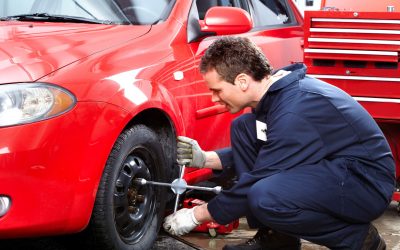
A car mechanic is a trained technician who inspects, services, and repairs vehicles to keep them running safely and efficiently. Their work spans everything from routine oil changes to diagnosing complex engine faults using computer-based diagnostic tools.
Finding a reliable Local Car Mechanic matters because vehicle problems rarely resolve themselves, and delaying repairs often increases both cost and risk. A mechanic who understands regional driving conditions, such as temperature extremes and road types common around Canberra, ACT, can often spot wear patterns specific to that environment. This local knowledge, paired with hands-on diagnostic skill, is part of why proximity and familiarity with an area still count for something in vehicle care.
What a Car Mechanic Actually Does
Mechanics work across several core areas of vehicle maintenance and repair. Their day-to-day tasks typically include:
• Running diagnostic scans to identify engine, transmission, or electrical faults
• Performing scheduled servicing such as oil changes, filter replacements, and fluid checks
• Inspecting and replacing brakes, suspension components, and steering parts
• Checking tyres, wheel alignment, and battery condition
• Advising on repairs needed to meet roadworthy requirements
Each of these tasks requires both technical training and access to appropriate diagnostic equipment, since modern vehicles increasingly rely on onboard computer systems to manage performance and safety features.
Why Routine Maintenance Matters
Skipping regular servicing does not just risk a breakdown, it can also shorten a vehicle’s working life. Consistent maintenance checks help identify small issues, such as a worn belt or low fluid level, before they develop into expensive mechanical failures.
The National Heavy Vehicle Regulator outlines maintenance obligations that reinforce why scheduled inspections and record-keeping remain central to vehicle safety standards in Australia. While that guidance applies specifically to heavy vehicles, the underlying principle, that documented, regular maintenance reduces mechanical risk, applies broadly across vehicle types.
For everyday drivers, this translates into practical habits: following manufacturer service intervals, addressing warning lights promptly, and using a mechanic who keeps clear records of work performed.
Choosing a Mechanic: What to Compare
Not all mechanical servicing is the same, and the right choice often depends on the type of work needed. The table below outlines general differences between common service types.
|
Service Type |
Typical Use Case |
Turnaround |
|
Routine servicing |
Oil changes, filters, fluid top-ups |
Same day |
|
Diagnostic repair |
Warning lights, unusual noises, performance issues |
1-2 days depending on parts |
|
Roadworthy inspection |
Pre-sale or registration requirements |
Same day |
|
Major repair |
Engine, transmission, or suspension overhaul |
Several days, parts-dependent |
Drivers should also weigh factors such as technician experience, access to genuine or quality parts, and clear communication about costs before any work begins.
Local Relevance for Canberra Drivers
Based in Gungahlin, ACT, a mechanic serving the wider Canberra, ACT area is positioned to respond to common regional issues, including temperature-related battery strain and road conditions that affect suspension and tyre wear. Proximity to a service provider can also reduce downtime, since vehicles needing repeat visits or parts orders are easier to manage locally.
Selecting a mechanic within a reasonable distance also supports ongoing maintenance relationships, where service history and prior repairs inform future recommendations rather than starting from scratch with each visit.
Frequently Asked Questions
How often should a car be serviced? Most manufacturers recommend servicing every 10,000 to 15,000 kilometres or every six to twelve months, though this varies by vehicle make and usage.
What is the difference between a mechanic and a technician? The terms are often used interchangeably, though “technician” sometimes implies additional training in computer diagnostics and electronic systems found in newer vehicles.
Can a mechanic complete a roadworthy inspection? Many mechanics are authorised to carry out roadworthy inspections, though this depends on specific licensing and accreditation in the relevant jurisdiction.
What should be checked before booking a repair? Confirm whether quotes include parts and labour, ask about warranty on repairs, and check if diagnostic fees apply separately from the repair cost.
Business Info
Paul Whyte Automotive operates from Gungahlin, ACT and lists vehicle servicing and repair work among its offerings, as reflected on its Google Business Profile.
Current service area information for Paul Whyte Automotive is published for drivers across the Canberra, ACT region.